Haworthia Obtusa: A Comprehensive Guide to Growing and Caring for This Stunning Succulent
Haworthia Obtusa is a charming succulent that belongs to the Asphodelaceae family. It is native to South Africa, where it grows in the shade of rocks and bushes. The plant has gained popularity among succulent enthusiasts due to its attractive appearance and ease of cultivation. In this blog post, you will learn everything you need to know about growing and caring for Haworthia Obtusa.
Haworthia Obtusa is a small, slow-growing succulent that forms clumps of rosettes. Each rosette typically has 20-30 fleshy, pointed leaves arranged in a spiral pattern. The leaves are dark green and have translucent tips that allow light to penetrate through. The plant produces small, tubular white flowers on thin stems in spring or summer.
Haworthia Obtusa is an ideal plant for beginners as it is easy to care for and requires minimal attention. The plant can be grown indoors or outdoors, depending on your preference. It is also suitable for container gardening, making it a perfect choice for those with limited space.
1. Origin and Taxonomy
The genus Haworthia comprises more than 70 species of small succulents that are endemic to southern Africa. Haworthia Obtusa was first described by the British botanist Adrian Hardy Haworth in 1825. The species name "obtusa" refers to the blunt tips of the leaves.
2. Identification
Haworthia Obtusa can be easily identified by its rosette of fleshy, pointed leaves arranged in a spiral pattern. The leaves are dark green and have translucent tips that allow light to penetrate through. The plant produces small, tubular white flowers on thin stems in spring or summer.
3. Light Requirements
Haworthia Obtusa prefers bright, indirect light and can tolerate some direct sunlight. However, prolonged exposure to direct sunlight can cause the leaves to burn or turn brown. If you are growing the plant indoors, place it near a window that receives bright, indirect light for most of the day.
4. Soil Requirements
Haworthia Obtusa requires well-draining soil that is rich in organic matter. A mixture of potting soil, sand, and perlite in equal parts is ideal for this plant. The soil should be moist but not waterlogged as the plant is susceptible to root rot.
5. Watering Requirements
Haworthia Obtusa is drought-tolerant and can survive extended periods without water. However, it requires occasional watering during the growing season (spring and summer). Water the plant when the soil is dry to the touch, and ensure that excess water drains out of the pot.
6. Temperature Requirements
Haworthia Obtusa prefers moderate temperatures between 60°F and 80°F (15°C-26°C). It can tolerate higher temperatures but may require more frequent watering. Avoid exposing the plant to extreme temperature fluctuations, which can cause stress and damage.
7. Fertilizer Requirements
Haworthia Obtusa does not require frequent fertilization. You can feed the plant with a balanced fertilizer once every two months during the growing season. Avoid over-fertilizing as this can cause the leaves to burn.
8. Propagation
Haworthia Obtusa can be propagated by offsets or leaf cuttings. To propagate using offsets, gently remove the baby plant from the mother plant's base and transplant it into a new pot. To propagate using leaf cuttings, cut a healthy leaf from the mother plant and leave it to callus over for a few days. Then, plant the leaf in well-draining soil and water it sparingly until roots and new growth appear.
9. Pests and Diseases
Haworthia Obtusa is generally pest and disease-free. However, it can be susceptible to mealybugs, spider mites, and scale insects. If you notice any signs of infestation, treat the plant with a solution of neem oil or insecticidal soap. Overwatering and poor air circulation can cause fungal diseases such as root rot and leaf spot.
10. Pruning
Haworthia Obtusa does not require frequent pruning. However, you can remove any dead or damaged leaves to promote new growth and maintain the plant's appearance. Use a clean, sharp pair of scissors or shears to avoid damaging the healthy leaves.
11. Repotting
Haworthia Obtusa requires repotting once every two to three years. Use a slightly larger pot than the current one and ensure that the soil is well-draining. Repotting can help refresh the soil and provide more room for the plant to grow.
12. Companion Plants
Haworthia Obtusa looks stunning when planted alongside other succulents such as Echeveria, Sedum, and Crassula. You can also pair it with cacti or other small plants to create an attractive display.
13. Varieties
Haworthia Obtusa has several cultivars that vary in leaf color, size, and shape. Some popular varieties include:
- Haworthia Obtusa "Crystal" - has translucent leaves that resemble crystals.
- Haworthia Obtusa "Cooperi" - has rounder leaves and a more compact growth habit.
- Haworthia Obtusa "Striped" - has leaves with white stripes running through them.
14. Uses
Haworthia Obtusa is primarily grown as an ornamental plant due to its attractive appearance. However, it also has medicinal properties and is used in traditional African medicine to treat various ailments.
15.
Haworthia Obtusa is a beautiful and easy-to-care-for succulent that is perfect for beginners. With proper lighting, watering, and soil conditions, you can grow this plant indoors or outdoors and enjoy its stunning appearance year-round. Remember to avoid overwatering and over-fertilizing, and watch out for pests and diseases.
Frequently Asked Questions
Q1. How often should I water Haworthia Obtusa?
A1. Haworthia Obtusa is drought-tolerant and requires occasional watering during the growing season (spring and summer). Water the plant when the soil is dry to the touch.
Q2. Can Haworthia Obtusa tolerate direct sunlight?
A2. Haworthia Obtusa prefers bright, indirect light and can tolerate some direct sunlight. However, prolonged exposure to direct sunlight can cause the leaves to burn or turn brown.
Q3. How do I propagate Haworthia Obtusa?
A3. Haworthia Obtusa can be propagated by offsets or leaf cuttings. To propagate using offsets, gently remove the baby plant from the mother plant's base and transplant it into a new pot. To propagate using leaf cuttings, cut a healthy leaf from the mother plant and leave it to callus over for a few days. Then, plant the leaf in well-draining soil and water it sparingly until roots and new growth appear.
Q4. What are the common pests and diseases of Haworthia Obtusa?
A4. Haworthia Obtusa is generally pest and disease-free. However, it can be susceptible to mealybugs, spider mites, and scale insects. Overwatering and poor air circulation can cause fungal diseases such as root rot and leaf spot.
Q5. How often should I fertilize Haworthia Obtusa?
A5. Haworthia Obtusa does not require frequent fertilization. You can feed the plant with a balanced fertilizer once every two months during the growing season. Avoid over-fertilizing as this can cause the leaves to burn.
Q6. Can I grow Haworthia Obtusa indoors?
A6. Yes, Haworthia Obtusa can be grown indoors. Place the plant near a window that receives bright, indirect light for most of the day.
Q7. When should I repot Haworthia Obtusa?
A7. Haworthia Obtusa requires repotting once every two to three years. Use a slightly larger pot than the current one and ensure that the soil is well-draining.
Q8. What are some popular varieties of Haworthia Obtusa?
A8. Some popular varieties of Haworthia Obtusa include "Crystal," "Cooperi," and "Striped."
Q9. How do I prune Haworthia Obtusa?
A9. Haworthia Obtusa does not require frequent pruning. However, you can remove any dead or damaged leaves to promote new growth and maintain the plant's appearance.
Q10. What are some companion plants for Haworthia Obtusa?
A10. Haworthia Obtusa looks stunning when planted alongside other succulents such as Echeveria, Sedum, and Crassula. You can also pair it with cacti or other small plants to create an attractive display.
11 Haworthia obtusa Images
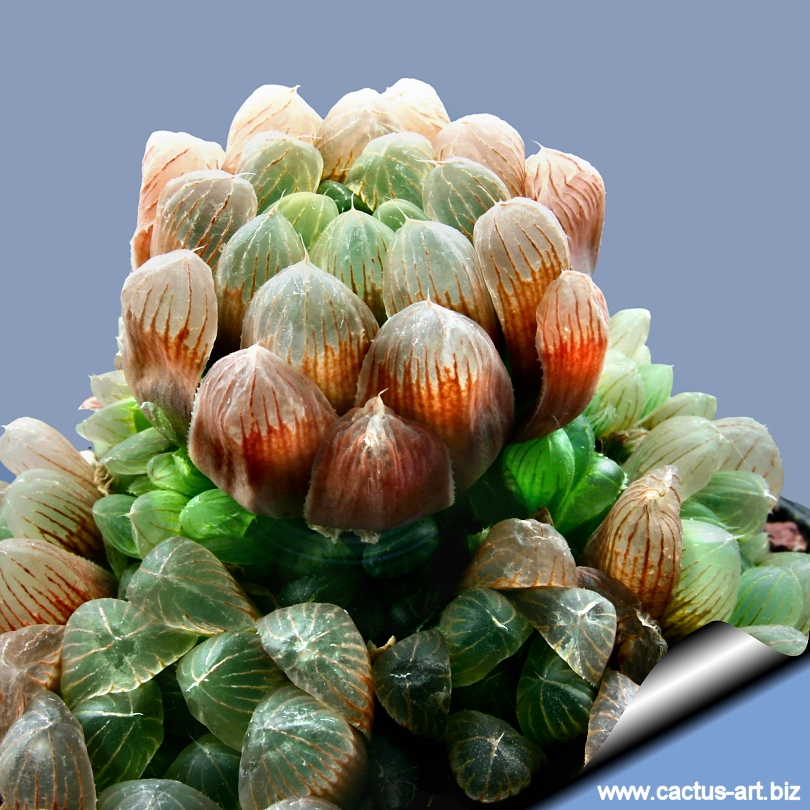
Haworthia Cooperi Varobtusa Cacti And Succulents Succulent

Haworthia Obtusa OB1 In 8 Cm Pot Haworthia Obtusa Plants Succulents

Haworthia Obtusa Brussel Sprout Vegetables Sprouts

Haworthia Obtusa Reverse Variegata Suculentas Raras

Haworthia Obtusa

Haworthia Obtusa Hybride Vegetables Aloe Garden

Haworthia Obtusa

Haworthia Venusta X Obtusa

Haworthia Obtusa Blue Lens

Haworthia Obtusa Suculentas Cactos E Suculentas Cactos

Haworthia Black Obtusa Seedling
Posting Komentar untuk "Haworthia Obtusa: A Comprehensive Guide to Growing and Caring for This Stunning Succulent"